
The Leprosy Research Initiative (LRI) recently convened the Research Dissemination and Policy Translation Workshop, bringing together 14 LRI researchers from nine endemic countries to strengthen their capacity to communicate research findings and promote their translation into policy and practice.
High-quality research is essential for improving health outcomes, but evidence alone doesn't always result in change. Researchers must also be able to communicate findings effectively to policymakers, programme managers, affected communities, funders, and healthcare practitioners. Recognising this challenge, the workshop was designed to help participants develop practical skills and tools for increasing the impact of their research.
Key objectives
The workshop aimed to strengthen participants' capacity to:
- Identify and understand target audiences;
- Tailor research messages to different stakeholders;
- Engage policymakers and decision-makers effectively;
- Apply storytelling techniques to communicate research findings; and
- Develop actionable dissemination strategies.
Throughout the workshop, participants explored how communication can contribute to bridging the gap between evidence generation and evidence use.
Interactive learning and practical application
The workshop combined presentations, group discussions, peer learning, and hands-on exercises. Participants were encouraged to apply concepts directly to their own research projects, ensuring that learning remained practical and relevant.
Sessions focused on audience mapping, message development, policy engagement, storytelling approaches, and selecting appropriate communication products. Participants examined how the same research findings can be framed differently depending on whether the audience is a policymaker, healthcare provider, community leader, donor, or person affected.
A key emphasis throughout the programme was the importance of moving beyond dissemination for its own sake and towards communication that supports decision-making and action.
Participant engagement
Participants actively engaged in discussions, group exercises, and feedback sessions, sharing experiences from different countries and research contexts.
Many noted that translating research findings into accessible and actionable formats remains a common challenge. By working collaboratively with facilitators and peers, participants were able to identify new approaches for communicating their work more effectively.
The workshop also provided opportunities for networking and peer-to-peer learning, allowing participants to exchange ideas about successful dissemination practices and common barriers to research uptake.
Outcomes and achievements
By the end of the workshop, participants had produced several concrete outputs designed to support future knowledge translation efforts.
These included: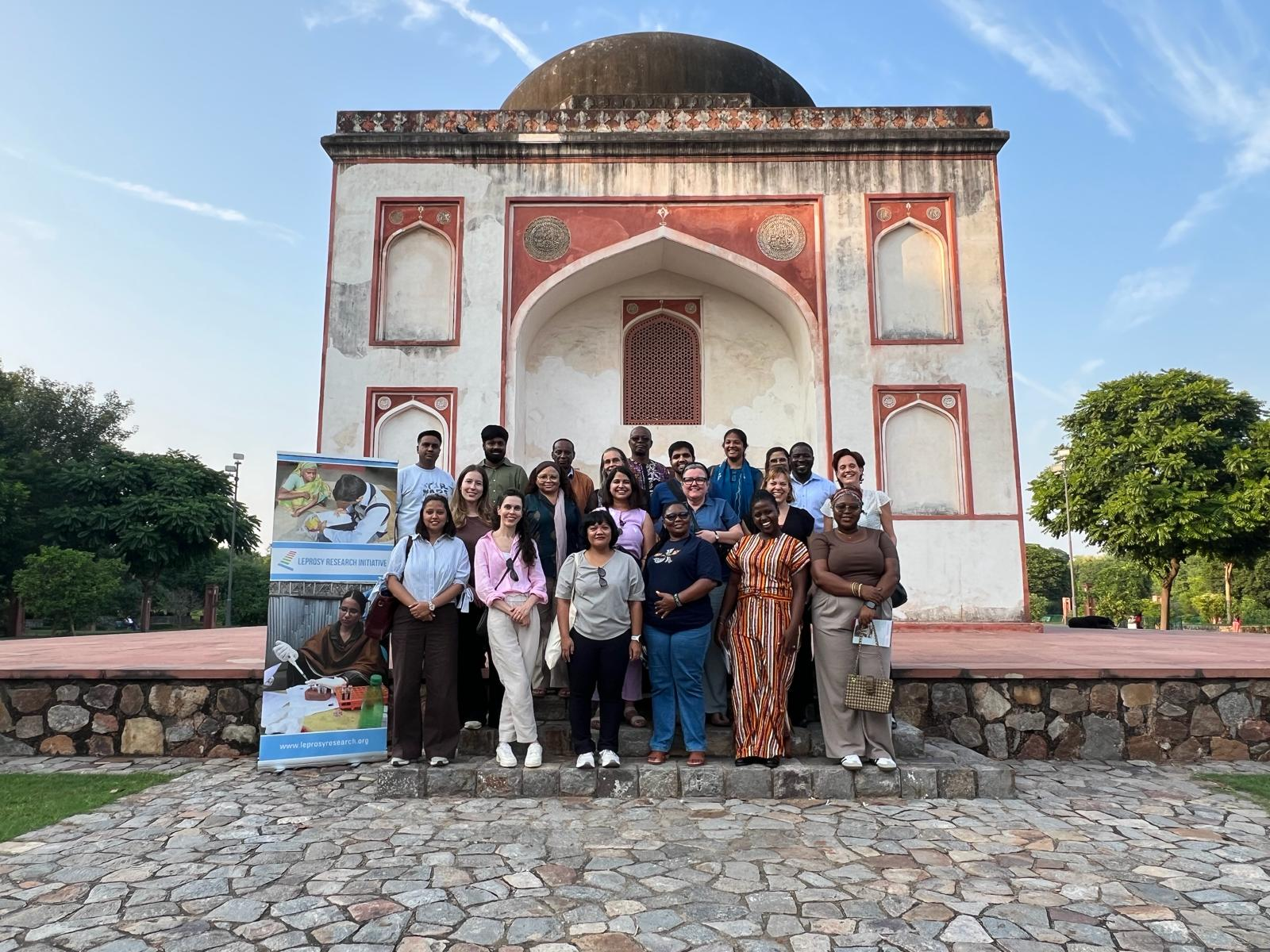
- Draft dissemination products tailored to specific audiences;
- Dissemination action plans that outline pathways for research uptake; and
- Individual commitments identifying next steps to be completed following the workshop.
Importantly, participants left with enhanced confidence and practical skills to engage stakeholders and communicate evidence more strategically.
Looking ahead
The workshop represents an important step in strengthening the connection between research, policy, and practice.
LRI remains committed to supporting researchers not only to generate high-quality evidence but also to ensure that findings contribute to meaningful improvements in programmes, services, and outcomes for people affected by leprosy and related neglected tropical diseases.
Over the coming months, participants will implement the dissemination plans and commitments developed during the workshop. LRI looks forward to following their progress and learning how these efforts contribute to increased uptake and use of research findings in endemic settings.